
Food and Mood: How Nutrition Impacts Mental Health
Have you ever noticed how your food choices can influence your mood? One day you’re buzzing with energy, and the next you feel flat, foggy, or anxious. That’s not just coincidence, the connection between what we eat and how we feel runs deeper than most people realise.
At the heart of it is the powerful link between gut health and brain health. Often called the gut-brain axis, this two-way street of communication means that nourishing your digestive system can directly support emotional balance and mental wellbeing.
Let’s take a look at some key nutrients and foods that play a role in lifting mood and calming the mind.
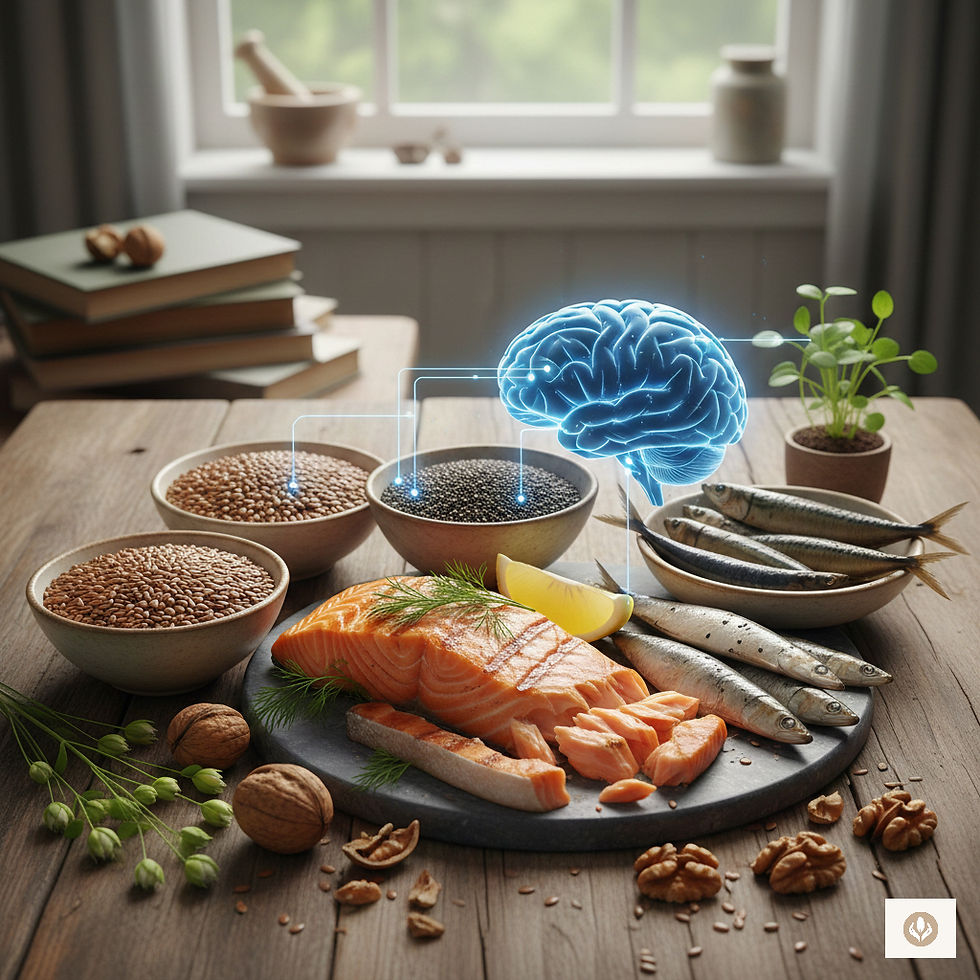
Omega-3s: Brain Food for Balance
Omega-3 fatty acids are essential fats found in oily fish (like salmon, sardines, and mackerel), chia seeds, flaxseeds, and walnuts. These healthy fats form part of your brain’s structure, helping nerve cells communicate effectively. Research has shown that omega-3s can support mood regulation, reduce inflammation, and may even ease symptoms of depression and anxiety.
Tip: Aim for 2–3 servings of oily fish per week, or add plant-based sources daily if you’re not a seafood lover.

Magnesium: The “Relaxation Mineral”
Magnesium is often called nature’s chill pill, and for good reason. It helps regulate the nervous system, reduces stress hormones, and supports restful sleep. Low magnesium levels have been linked to increased anxiety, irritability, and low mood. You’ll find magnesium in foods like leafy greens, pumpkin seeds, almonds, dark chocolate (yes, really!), and legumes.
Tip: Swap an afternoon biscuit for a handful of nuts and a square of dark chocolate for a magnesium-rich pick-me-up.
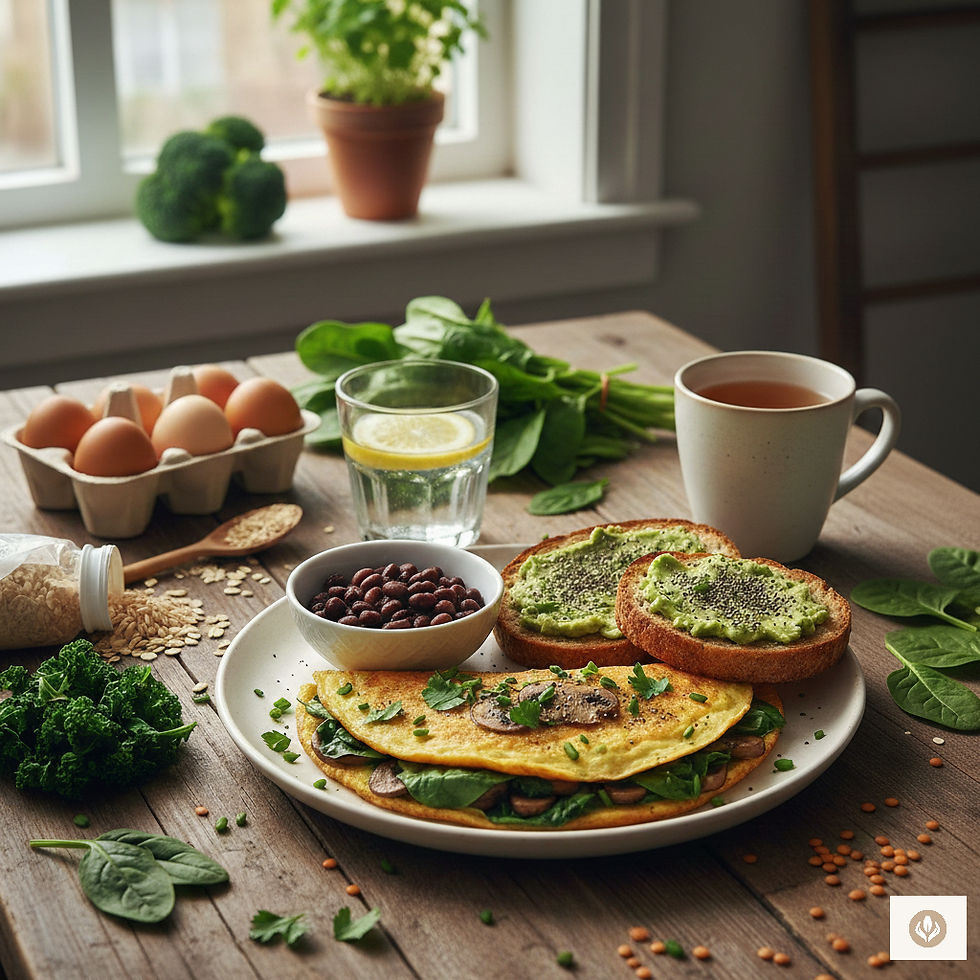
B Vitamins: Energy and Emotional Resilience
B vitamins (especially B6, B12, and folate) are critical for energy production and the creation of brain chemicals like serotonin and dopamine, which influence mood. Good sources include eggs, poultry, leafy greens, wholegrains, and legumes. If you follow a vegetarian or vegan diet, keeping an eye on B12 intake is especially important, as it is mostly found in animal products.
Tip: Try adding a spinach and egg omelette on wholegrain toast to cover a good range of B vitamins in one meal.

Gut-Friendly Foods: Nurturing the Gut-Brain Connection
Your gut is home to trillions of bacteria, and they have a surprising amount of influence on your mood and mental health. A healthy gut microbiome supports the production of neurotransmitters, reduces inflammation, and helps you feel more balanced. Fermented foods like yoghurt, kefir, sauerkraut, miso, and kimchi, along with fibre-rich foods like vegetables, fruit, oats, and legumes, all nourish a thriving gut.
Tip: Aim to “feed your gut garden” daily with a variety of colourful plant foods.
Putting It All Together
Food is not a cure-all for mental health challenges, but it is a powerful foundation. By building your meals around omega-3s, magnesium-rich foods, B vitamins, and gut-friendly choices, you’re giving your body and mind the raw materials they need to thrive.
Small, consistent nutrition habits really do add up, supporting both physical vitality and emotional wellbeing.
If you would like some support please reach out and book a free 30-minute discovery call


Comments